
.jpg)
Understanding the Causes of Landslides
Landslides are complex natural disasters that can result from a variety of factors, including intense rainfall, seismic activity, volcanic eruptions, and human activities. Understanding the intricate interplay between these factors is fundamental to mitigating landslide risks. Geologists and engineers assess the stability of slopes, the types of materials present, and the impact of water content to determine the likelihood of a landslide. By identifying potential triggers and vulnerable areas, communities can prioritize areas that require immediate attention and intervention.
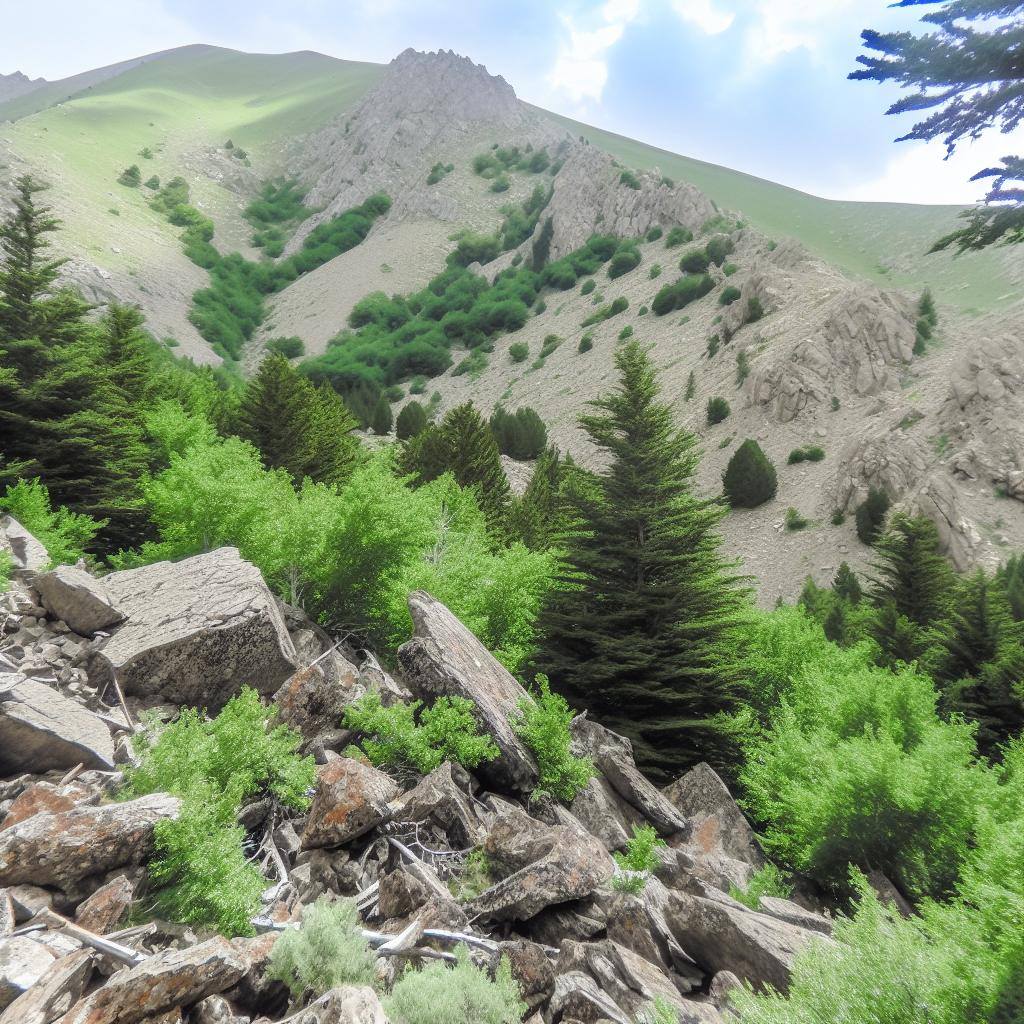
Additionally, historical data and patterns of previous landslides provide valuable insights into predicting future occurrences. Mapping areas with a history of landslides helps in understanding the terrain's susceptibility. This knowledge is crucial for informing land use planning and development restrictions to avoid exacerbating the risk of landslides.
Implementing Drainage Control Measures
Effective drainage control is a key component of landslide prevention. Excess water from rainfall or snowmelt can increase the weight of the soil and reduce its stability, leading to landslides. By installing proper drainage systems, such as sub-surface drains, ditches, and culverts, water can be channeled away from vulnerable slopes. Regular maintenance of these systems is also critical to ensure they function during periods of heavy downpour.
Moreover, slope design can be modified to incorporate features that naturally divert water away from unstable areas. Terracing, contouring, and the creation of buffer zones with absorbent vegetation can all serve to manage water flow and distribution on slopes vulnerable to landslides.
Utilizing Vegetation to Stabilize Slopes
Planting vegetation is an Eco-friendly and cost-effective way to stabilize slopes and reduce the risk of landslides. Roots from trees and shrubs help to bind the soil, while their leaves and branches reduce the impact of raindrops on the earth's surface, lessening erosion. The selection of appropriate plant species is essential, as they must be suited to the local climate, soil type, and the specific conditions of the slope.
Grass, with its dense network of roots, can be particularly effective for surface stabilization. In some cases, bio-engineering techniques that combine vegetation with man-made structures offer a synergistic approach to slope stabilization. For instance, geotextiles can be used alongside plantings to provide immediate soil reinforcement while vegetation takes root and matures.
Engineering Solutions for Landslide Prevention
Engineering interventions can provide robust solutions to mitigate landslide risks. These measures include the construction of retaining walls, rock bolts, and soil nailing to physically support and reinforce slopes. Retaining walls hold back soil and rocks, preventing them from sliding down, while rock bolts and soil nails anchor the slope materials to more stable layers deep within the ground.
Another important engineering approach is the terracing of slopes to create flatter, more stable surfaces that reduce the gravitational pull on the soil. Additionally, the use of sensors and monitoring equipment allows for real-time tracking of ground movement and moisture levels, enabling early warning systems that can alert communities to imminent landslide threats.
Community Involvement and Awareness in Landslide Mitigation
Local communities play a vital role in landslide prevention and mitigation. Community-based programs that educate residents about the signs of potential landslides and proper evacuation procedures can save lives. Public participation in the maintenance of drainage systems and the monitoring of slopes for signs of instability also contribute to the overall safety of the area.
Developing community response plans and conducting regular drills ensures that everyone knows what to do in the event of a landslide. Involvement in reforestation efforts and adherence to land use regulations further helps in maintaining the natural stability of slopes. By working together, communities can create resilient environments that are better equipped to handle the challenges posed by landslides.