
.jpg)
The Physical Signs of End-of-Life in Cancer Patients
As cancer progresses towards the end of life, certain physical signs may become more apparent. These signs can vary from person to person, but some common indicators include:
- Severe fatigue and weakness
- Loss of appetite and weight loss
- Increased pain and discomfort
- Difficulty breathing
- Changes in skin color and temperature
It's important to note that not all patients will experience these symptoms, and some may exhibit different signs. It's crucial to consult with healthcare professionals to understand the specific signs and symptoms to look out for in individual cases. By recognizing these physical signs, loved ones, and healthcare providers can better support and provide appropriate care for cancer patients in their final stages of life.
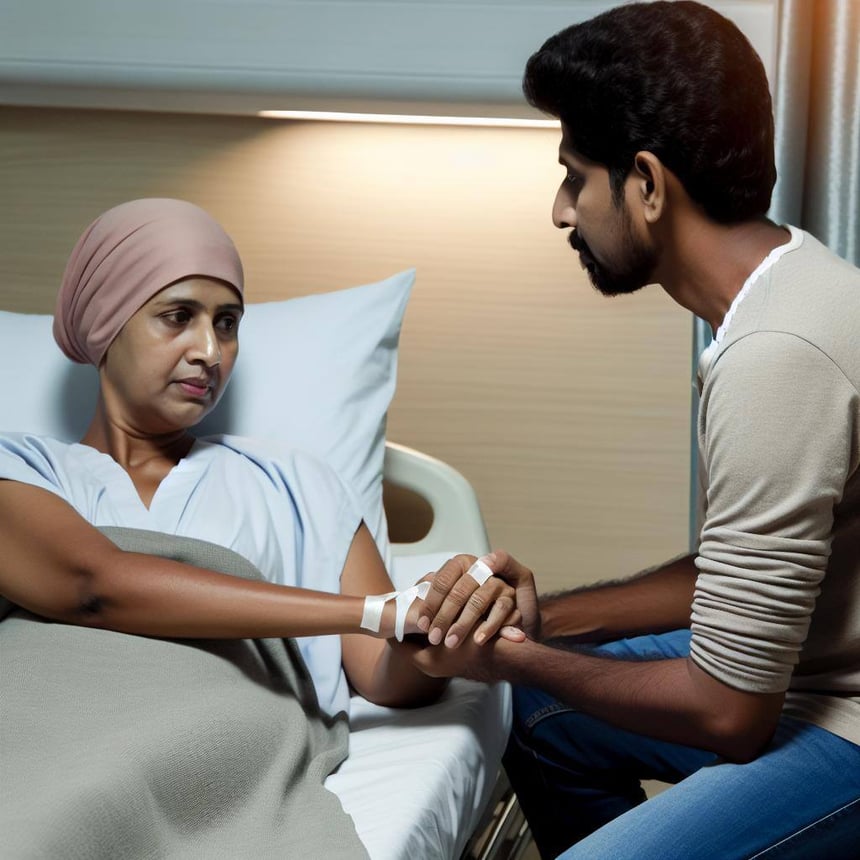
Emotional and Psychological Changes Near the End of Life
In addition to the physical signs, cancer patients may also experience emotional and psychological changes as they near the end of life. These changes can be challenging for both the patients and their loved ones. Some common emotional and psychological changes that may occur include:
- Increased anxiety and fear
- Feelings of sadness and depression
- Withdrawal from social activities
- Difficulty concentrating and making decisions
- Spiritual and existential concerns
It's essential to provide emotional support and create a safe space for patients to express their thoughts and feelings. Encouraging open communication and offering counseling or therapy services can help address these emotional and psychological changes.
Communicating and Providing Support for End-of-Life Care
Effective communication is crucial when providing support for end-of-life care to cancer patients. It's important to have open and honest conversations about their condition, prognosis, and treatment options. Some key points to consider when communicating and providing support include:
- Active listening and empathy
- Respecting the patient's wishes and autonomy
- Involving the patient in decision-making
- Discussing palliative care and hospice options
- Providing information and resources for additional support
By establishing clear lines of communication and offering support, patients can feel heard, respected, and empowered in making choices about their end-of-life care.
Preparing for the Final Stages of Life
As the cancer progresses and the end of life approaches, it is essential to be prepared for the final stages. This preparation can help ensure the patient's comfort and dignity. Some steps to consider when preparing for the final stages of life include:
- Creating an advance care plan
- Discussing end-of-life wishes and preferences
- Making arrangements for pain management and symptom control
- Organizing support from hospice or palliative care services
- Providing emotional support for both the patient and their loved ones
By proactively preparing for the final stages, it becomes easier to address the patient's needs and provide them with the best possible care during this challenging time.
Coping with Grief and Loss After a Loved One's Passing
After a loved one's passing, coping with grief and loss becomes an important part of the healing process. Each individual may experience grief differently, and it's crucial to allow oneself to grieve and seek support. Some strategies for coping with grief and loss include:
- Expressing emotions through talking, writing, or creative outlets
- Seeking support from friends, family, or support groups
- Taking care of physical and emotional well-being
- Honoring the memory of the loved one through rituals or tributes
- Allowing oneself time to heal and adjust to life without the loved one
It's essential to remember that grief is a personal journey, and there is no right or wrong way to grieve. Providing a supportive environment and understanding can help individuals navigate through the grieving process.